01
The gold is a measured layer
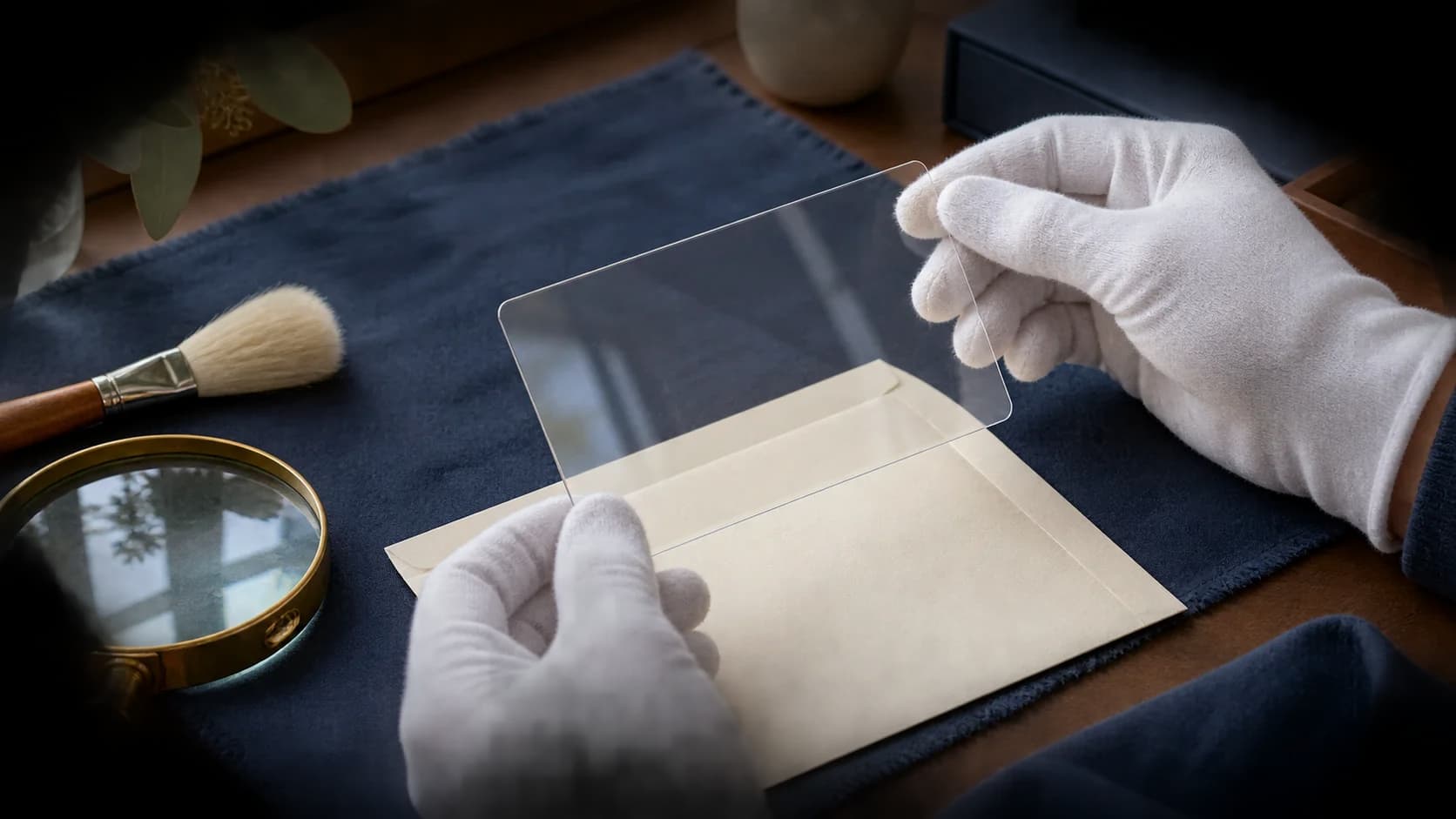
Goldback states that 24-karat gold is vacuum deposited onto polymer in amounts tied to denomination. For a 1 Goldback, the verified amount is 1/1,000 troy ounce. A 5 denomination contains five times that amount; the denomination system scales the gold content proportionally.
The finished Goldback is not paper currency or a struck coin. It is a flexible polymer note with a thin layer of physical gold and printed artwork.
02
Artwork and production meet in layers
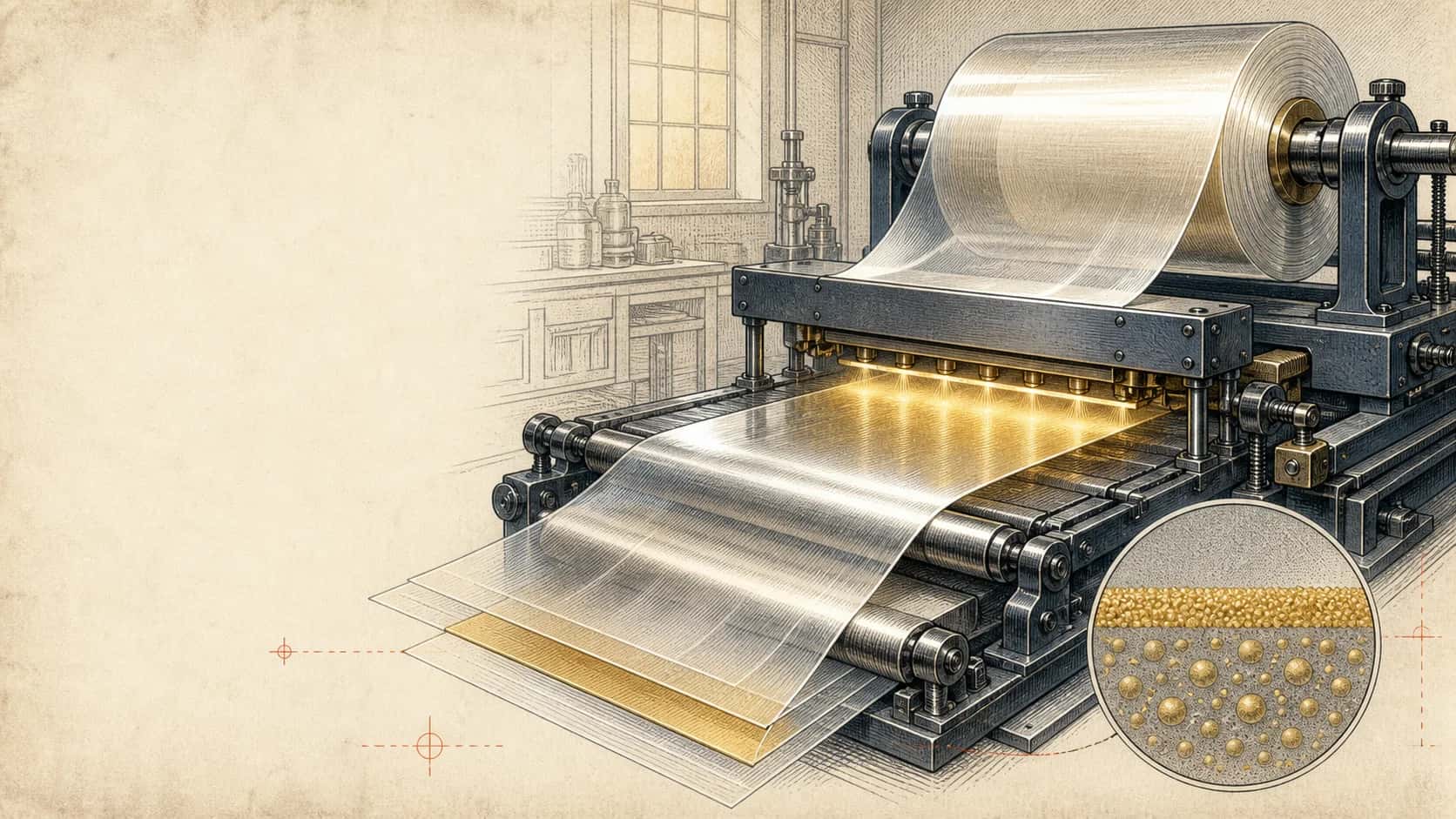
According to Goldback’s manufacturing overview, artists develop the series imagery before production. The designs are combined with anti-counterfeiting work, printed onto polymer sheeting, and paired with the gold-deposition process performed by manufacturing partner Valaurum.
The illustration above is an artistic look at the materials. It is not a technical diagram of the manufacturing process.
03
Why the denominator matters
One Goldback contains one-thousandth of a troy ounce of gold. That figure describes the physical gold content. The published Goldback rate is a separate dollar value used as exchange guidance.
The two numbers answer different questions. Gold content describes the physical material. Reference value describes a published dollar-equivalent rate at a particular time.
04
Manufacturing is part of the premium
Very small quantities of gold require specialized deposition, polymer handling, artwork, printing, and security work. That helps explain why the published reference rate is not simply one-thousandth of the spot price of a troy ounce of gold.
Sources and further reading
Interpretive statements are identified in the text. Product facts are tied to the supplied front image or cited sources.